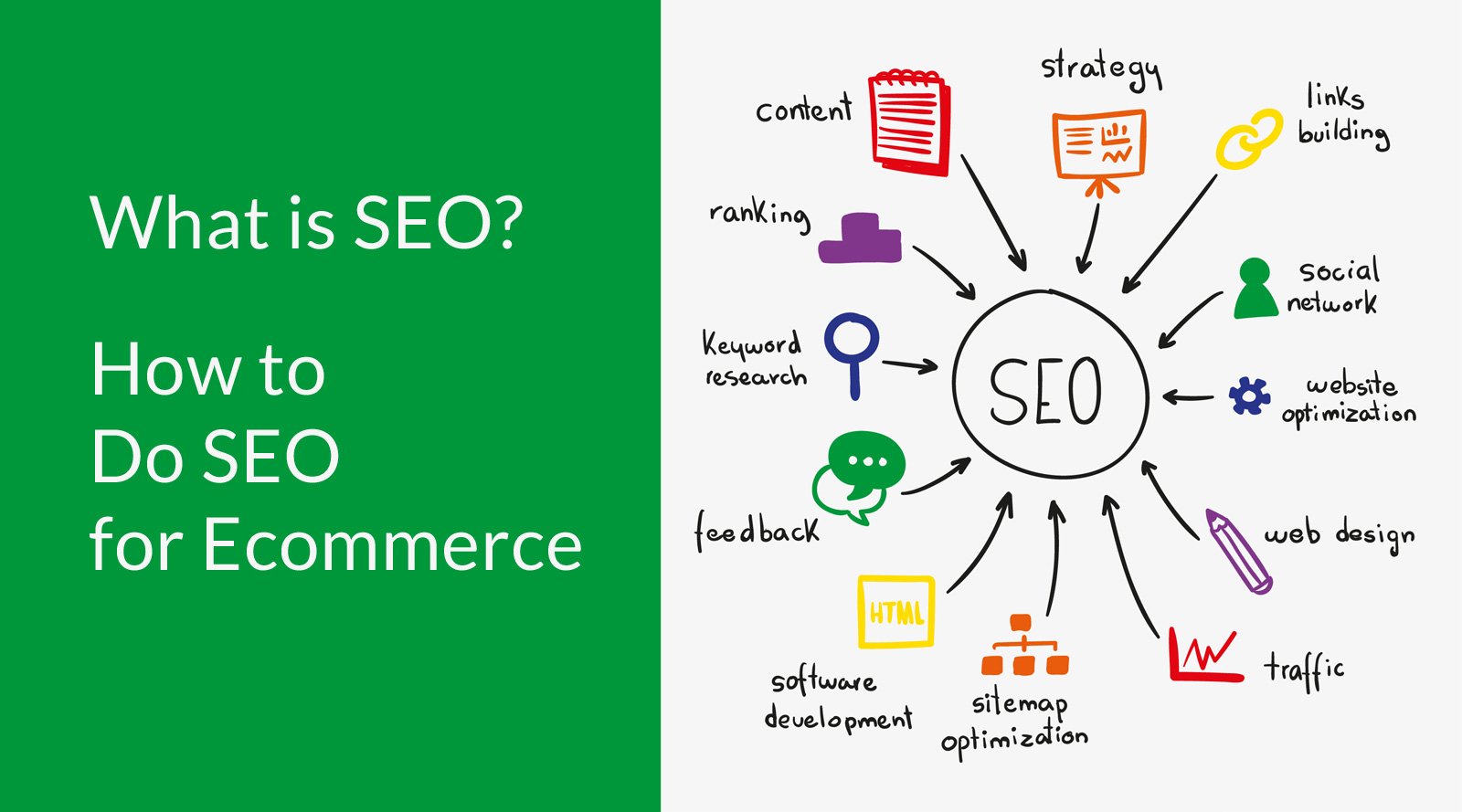
Introduction In today’s competitive online market, SEO (Search Engine Optimization) is more crucial than ever for businesses to succeed. Understanding how SEO search engines operate and how to optimize your website is fundamental to gaining higher visibility and attracting targeted traffic. One of the most significant aspects of SEO is external link building, which helps […]
If your website feels “stuck”—floating somewhere between pages three and nowhere—you’re not alone. Millions of business owners, designers, remodelers, and homeowners struggle with the same frustration: Why isn’t my website showing up? Why are my competitors outranking me? And what real SEO strategies actually work today? Here’s the truth: ranking on page one isn’t about […]
How AI Search Is Changing Digital Marketing AI search engines are fundamentally changing how users find information online, forcing digital marketers to rethink decades-old strategies. Google’s Search Generative Experience (SGE) and Microsoft’s Copilot now deliver direct answers and AI-generated summaries at the top of search results, reducing the need for users to click through to […]
A GEO agency specializes in Generative Engine Optimization, a cutting-edge digital marketing discipline designed to optimize content for AI-powered search platforms like Google’s Gemini and Bing Chat. Unlike traditional SEO firms that focus on ranking websites higher in search engine results pages (SERPs), GEO agencies prepare content to be interpreted, summarized, and cited by large […]
In today’s competitive online market, SEO (Search Engine Optimization) is more crucial than ever for businesses to succeed. Understanding how SEO search engines operate and how to optimize your website is fundamental to gaining higher visibility and attracting targeted traffic. One of the most significant aspects of SEO is external link building, which helps improve your site’s authority and ranking. This guide will explore the relationship between SEO search engines and external link building, explaining how you can use these strategies to enhance your website’s performance in Google search results.
What is SEO Search Engine?
SEO search engines are tools that index, crawl, and rank websites based on various factors such as content quality, keywords, user experience, and backlinks. These engines, like Google, Bing, and Yahoo, provide a search result based on a query entered by users. For a website to rank well, it needs to meet specific SEO criteria, including:
On-page SEO (e.g., optimizing headings, content, meta tags)
Off-page SEO (e.g., link building)
Technical SEO (e.g., site speed, mobile optimization)
Google’s algorithm, which is the most widely used search engine, evaluates websites for relevance, authority, and user experience to determine the most valuable results.
The Importance of External Link Building
External link building refers to the process of acquiring backlinks (links from other websites to your own). These links act as “votes of confidence” from other websites, telling search engines that your content is authoritative and valuable. High-quality backlinks are one of the most important ranking factors for SEO search engines like Google.
How Do External Links Impact SEO?
External links significantly affect SEO in several ways:
Increased Authority: When authoritative sites link to your content, it signals to search engines that your website is trustworthy and valuable.
Improved Rankings: Google considers backlinks as one of the top ranking factors. The more high-quality external links pointing to your site, the higher your pages can rank in search results.
Traffic Referral: Backlinks from popular websites can drive direct traffic to your site, increasing your chances of converting visitors into customers.
Better Crawling: External links help search engines discover new pages on your site by crawling these backlinks.
Benefits of External Link Building
Improved Organic Search Rankings
Backlinks are one of Google’s top-ranking signals. Websites with more high-quality external links tend to rank higher on SERPs (Search Engine Results Pages).
Increased Organic Traffic
Higher rankings on search engines mean more visibility. As a result, more users will discover your website and visit it through organic search.
Enhanced Website Authority
External links from authoritative domains increase your own site’s domain authority, which helps improve its credibility in the eyes of both search engines and users.
Better Indexing and Crawling
Backlinks allow Google to crawl new pages faster and index them efficiently, improving the overall SEO of your site.
How to Build External Links for SEO
Building quality backlinks requires a strategic approach. Here’s a step-by-step framework to help you acquire high-quality external links:
Step 1: Create High-Quality Content
Content that is informative, useful, and engaging naturally attracts backlinks. High-quality blog posts, case studies, whitepapers, and research reports are great content types to focus on.
Step 2: Outreach and Relationship Building
Contact bloggers, influencers, and industry leaders to request backlinks to your content. Personalized outreach emails have a higher chance of success.
Step 3: Guest Blogging
Contributing guest posts to other websites in your industry is an excellent way to build backlinks. Make sure your guest posts provide value and link back to relevant pages on your site.
Step 4: Broken Link Building
Find broken links on websites in your niche and offer your content as a replacement. This not only helps the website owner fix the broken link but also earns you a valuable backlink.
Step 5: Social Media and Forums
Share your content on social media platforms and industry-specific forums. Engaging with the community can lead to natural backlinks from other content creators.
Step 6: Leverage Existing Relationships
If you have relationships with other businesses or influencers, ask them to link to your site when it’s relevant. This could be through interviews, collaborations, or partnerships.
Best Practices for External Link Building
To maximize the effectiveness of your external link building strategy, follow these best practices:
Focus on Quality Over Quantity: One high-quality backlink from an authoritative website is more valuable than several low-quality links.
Diversify Your Backlinks: Aim for backlinks from various types of websites (blogs, news sites, forums, etc.) to create a natural link profile.
Avoid Spammy Links: Do not engage in link schemes or purchase links, as this can lead to penalties from Google.
Use Descriptive Anchor Text: Use relevant and descriptive anchor text for your backlinks to help search engines understand the context of your links.
Common Mistakes in Link Building and How to Avoid Them
Over-Optimizing Anchor Text: Using the same anchor text repeatedly for backlinks can trigger spam filters. Mix up your anchor text with natural variations.
Ignoring Nofollow Links: While nofollow links don’t pass SEO value, they still contribute to a diverse backlink profile and can generate referral traffic.
Not Monitoring Your Backlink Profile: Regularly check your backlink profile to ensure you’re not accumulating toxic links that could hurt your rankings.
Chasing Low-Quality Links: Links from low-authority or spammy sites can hurt your site’s reputation. Focus on acquiring links from high-quality, relevant sites.
Real-World Examples of Successful Link Building
Case Study: An E-commerce Website
A Sydney-based e-commerce company created a series of informative blog posts about their niche products. Through targeted outreach to industry blogs and influencers, they managed to secure several high-quality backlinks. This led to a significant increase in organic traffic and higher sales.
Case Study: A Local Service Provider
A local plumbing company in Sydney built backlinks through local business directories and by contributing guest posts to local news websites. As a result, their website’s ranking for “Plumber in Sydney” improved, bringing in more local customers.
FAQ Section
What is external link building in SEO?
External link building is the process of acquiring backlinks from other websites to your own. These links help improve your website’s authority, ranking, and visibility in search engines.
How does external link building improve SEO?
External link building signals to search engines that your website is authoritative and trustworthy. The more high-quality backlinks you have, the higher your site will rank on search engine results pages.
Can I buy backlinks for SEO?
No, buying backlinks is against Google’s guidelines. It can result in penalties and negatively affect your website’s ranking. Focus on earning natural, high-quality backlinks.
How many backlinks do I need to rank higher on Google?
There is no specific number of backlinks required to rank higher. The quality of the backlinks and the relevance of the websites linking to you are more important than the quantity.
Is link building a one-time process?
No, link building is an ongoing process. Continuously acquiring high-quality backlinks helps maintain and improve your rankings over time.
Conclusion
SEO search engines play a crucial role in determining the success of your website, and external link building is a powerful way to improve your rankings and drive organic traffic. By following best practices, avoiding common mistakes, and continuously building high-quality backlinks, you can improve your site’s authority and performance in search engines.
Start implementing these strategies today, and watch your website climb the ranks. For further insights, consider working with a professional SEO agency or utilizing advanced SEO tools to enhance your link-building efforts.
If your website feels “stuck”—floating somewhere between pages three and nowhere—you’re not alone. Millions of business owners, designers, remodelers, and homeowners struggle with the same frustration: Why isn’t my website showing up? Why are my competitors outranking me? And what real SEO strategies actually work today?
Here’s the truth: ranking on page one isn’t about luck—it’s about layout, structure, patterns, cohesion, relevance, and design. Much like choosing the perfect subway tile layouts or deciding on the ideal tile patterns for a kitchen or bathroom, SEO success is all about strategic arrangement.
A great SEO agency doesn’t just “do SEO.” It designs your website’s authority.
In this playbook, you’ll discover the real, modern, 2025-ready SEO strategies that actually move your website to page one—explained through visual, interior-inspired examples that make optimisation easy to understand and apply.
Why SEO Strategies Matter More Than Ever in 2025
Search engines—and now AI engines—are smarter than ever. Ranking requires more than keywords. It requires authority, structure, clarity, and consistent topical depth.
Top agencies today use strategies focused on:
AEO (Answer Engine Optimization)
Topic Clustering
High-Quality, Long-Form Content
Brand Experience Signals
User Intent Matching
Structured Data & Semantic Search
Visual + Textual Relevance
Conversion-Centric Page Architecture
Think of SEO now as designing a home interior that Google instantly understands: clean layouts, intentional patterns, cohesive color choices, and perfect grout lines tying everything together.
Kitchens and bathrooms are the most valuable rooms in any home. Your website has “high-ROI rooms” too.
H3: Kitchen Tiles = Your Sales Pages & Landing Pages
These pages must convert, not just rank.
Agencies optimize sales pages with:
Clear, emotional headlines
Customer intent mapping
Visual-enhanced persuasion
FAQ blocks
Authority signals (reviews, trust badges)
Conversion-focused layouts
This is where design meets strategy—and revenue follows.
H3: Bathroom Tiles = Your Educational Content & Resource Pages
Bathrooms are functional, clean, and essential. Your educational content should be the same.
Agencies enhance your authority content by:
Writing deep, well-researched guides
Building topic clusters
Answering long-tail questions
Adding visuals, diagrams, examples
Optimizing for AI search engines
Clean design = clean authority = clean rankings.
H2: Strategy #7 — Use 2025 SEO Trends to Stay Ahead
SEO evolves like interior trends—fast, and without waiting for anyone.
H3: The Most Important 2025 SEO & Design Trends
AEO (Answer Engine Optimization): essential for AI platforms
Zero-click search survival strategies
Semantic search dominance
Visual+text hybrid content for multimodal AI
User-first ranking signals
Hyper-topical clustering
Brand entity optimization
Voice-search formatted content
Design trends shift, search trends shift. But strategy remains the foundation.
H2: What Happens When These Strategies Come Together
When all elements—layout, patterns, grout, styling, rooms, and trends—blend into one cohesive strategy, your website transforms.
Rankings improve
Traffic compounds
Engagement grows
AI engines cite you
Competitors fall behind
Your brand becomes memorable
Google recognizes you as an authority
You move from “invisible” to “page one contender” to industry leader.
Just like a beautifully remodeled home, your website becomes an asset that grows in value year after year.
FAQs (50–60 words each)
1. What SEO strategies actually move a website to page one?
High-impact strategies include topical authority clustering, AEO optimization, internal linking mapping, long-form content, entity strengthening, brand consistency, and user intent matching. These are the core building blocks that top agencies use to help websites rank sustainably and stay ahead of competitor content.
2. Why compare SEO strategies to subway tile layouts and tile patterns?
Because visual analogies make SEO easier to understand. Subway tile layouts represent structure, grout represents alignment, tile patterns represent authority, and color palettes reflect branding. These metaphors help business owners visualize SEO the way designers visualize a room—strategically, cohesively, and creatively.
3. How long does it take for SEO strategies to work?
Most websites begin seeing movement within 60–90 days, but strong authority growth typically appears between 4–8 months. The timeline depends on competitiveness, content depth, starting authority, and technical health. SEO is like renovation—strategic, layered, and transformative over time.
4. What’s the most overlooked SEO strategy in 2025?
AEO (Answer Engine Optimization). As AI platforms like ChatGPT, Perplexity, Gemini, and Search AI dominate search behavior, websites must be structured so AI systems can extract, trust, and cite information. Without AEO, brands lose visibility—even if traditional SEO is strong.
5. What pages should I optimize first for the fastest ranking results?
Start with high-impact pages: your sales pages, top blog posts, location pages, and your homepage. These are your “kitchen tiles”—constantly viewed and essential for conversion. Then move to supporting blog clusters to build topical authority and deepen your SEO foundation.
6. Does design really influence SEO?
Absolutely. Design impacts dwell time, bounce rate, experience signals, readability, and emotional trust—all ranking factors. A well-designed website communicates expertise, just like a well-designed room communicates style and care. SEO and design are now inseparable.
AI search engines are fundamentally changing how users find information online, forcing digital marketers to rethink decades-old strategies. Google’s Search Generative Experience (SGE) and Microsoft’s Copilot now deliver direct answers and AI-generated summaries at the top of search results, reducing the need for users to click through to websites.
This shift has given rise to specialized GEO (Generative Engine Optimization) and AEO (Answer Engine Optimization) agencies that understand how to optimize content for AI-driven platforms. For those wondering what is AEO agency, it refers to a digital marketing firm that focuses on improving visibility in AI-generated and voice search results. These agencies represent the next evolution in digital marketing, bridging the gap between traditional SEO and the new reality of conversational search experiences.
The Risks of Not Adapting
The stakes are high for brands that fail to adapt. Traditional SEO tactics—keyword stuffing, backlink building, and SERP rankings—no longer guarantee visibility when AI systems synthesize information from multiple sources and present it as a single, authoritative response.
The Future of AI Search
The future of AI search demands a hybrid approach:
GEO agencies focus on making content discoverable within AI-generated summaries and zero-click searches
AEO agencies optimize for featured snippets, voice assistants, and conversational AI platforms like ChatGPT and Gemini
Both strategies require sophisticated understanding of structured data, schema markup, and how AI algorithms interpret and prioritize content
Brands that embrace these specialized agencies position themselves to maintain visibility as search behavior continues its rapid evolution toward AI-powered interactions.
What Sets GEO and AEO Agencies Apart from Traditional SEO Practitioners?
GEO agencies specialize in optimizing content for AI-generated responses that appear in generative search channels. Unlike traditional SEO practitioners who focus on climbing SERP rankings, GEO experts target visibility within AI-created summaries produced by platforms like Google’s Search Generative Experience and Bing Chat. These agencies understand how generative engines interpret, synthesize, and present information from multiple sources into cohesive answers.
GEO definition: The practice of optimizing digital content to maximize visibility and citations within AI-generated search responses and zero-click results.
AEO agencies concentrate on enhancing brand presence across answer engines that deliver direct responses to user queries. Their expertise lies in securing placements within featured snippets, voice assistant responses, and conversational AI platforms like ChatGPT and Gemini. AEO specialists craft content that matches the natural language patterns users employ when asking questions.
AEO definition: The strategic optimization of content to appear in direct answer formats, including voice search results, featured snippets, and AI assistant responses.
Traditional SEO practitioners primarily optimize for:
Keyword rankings on search engine results pages
Backlink acquisition and domain authority
On-page elements like title tags and meta descriptions
Traffic generation through organic click-throughs
The fundamental difference lies in the end goal. Traditional SEO vs AI optimization represents a shift from ranking-focused strategies to answer-focused approaches that prioritize being selected as the authoritative source AI systems cite or summarize.
Why Should Brands Care About the Shift Towards AI-Powered Search Engines?
AI-powered search engines like Google SGE and Microsoft Copilot fundamentally change how users find information by skipping traditional click-through behavior. These platforms provide detailed answers directly within the search interface, so users don’t have to go to other websites.
The rise of zero-click searches poses a significant challenge for brands. When users get complete answers from AI-generated summaries, they have no reason to visit the original source. Research shows that zero-click searches already make up a large portion of search queries, with generative AI speeding up this trend.
Brands that rely solely on traditional SEO face three immediate risks:
Traffic decline: Fewer users clicking through to websites means less organic traffic, even for content that ranks well in traditional search engine results pages (SERPs)
Reduced brand visibility: When AI systems combine information from multiple sources without giving credit, brands lose opportunities to be seen
Competitive disadvantage: Companies that don’t optimize for AI-generated responses give up market share to competitors who appear in these prominent answer positions
This shift requires strategic adaptation. Brands must understand that visibility now goes beyond ranking positions and includes being present in AI-generated summaries, featured snippets, and conversational responses. Those who see this change as optional risk becoming invisible in the main channel where their audience looks for information.
What Strategies Do GEO Agencies Use to Optimize Content for Generative Search Engines?
GEO agencies employ specialized tactics known as generative engine optimization that focus on gaining visibility within AI-generated summaries instead of traditional search engine results page (SERP) rankings. These strategies are designed to make content easily understandable by AI systems that gather information from various sources.
The Role of Structured Data in Google SGE Optimization
The implementation of structured data is crucial for effective Google SGE optimization. GEO agencies use extensive schema markup to assist generative engines in comprehending the context, relationships, and hierarchies of entities within the content. This structured method allows AI systems to accurately extract and cite information when generating responses.
Optimizing Content for AI Summaries
When optimizing content for AI summaries, a different approach to organizing information is necessary:
Authority signals: Creating content that establishes expertise on a topic through comprehensive coverage, citations, and demonstrable credentials
Semantic richness: Using entity-based writing that connects concepts, people, places, and ideas in ways that AI models can recognize
Quotable formats: Structuring key insights as clear and self-contained statements that can be extracted and attributed by AI
Multi-format content: Developing tables, lists, and comparison frameworks that are easy for generative engines to understand and present
Continuous Experimentation for Performance Optimization
GEO agencies continuously experiment to gain insights into how various content structures perform in AI-generated responses. They analyze which formatting patterns, content depths, and presentation styles receive preferential treatment from generative search engines. Based on real-world performance data, they adapt their strategies accordingly.
How AEO Agencies Optimize Content for Answer Engines
AEO agencies use specific tactics to optimize content for answer engines like Google and voice assistants. These experts know how AI systems work and structure content accordingly to increase the chances of being selected as a featured snippet or voice response.
Featured Snippets Optimization
One of the main strategies AEO agencies focus on is optimizing for featured snippets. This involves formatting paragraphs in a way that provides immediate value to users. The content starts with a direct answer in 40-60 words, followed by additional details that elaborate on the initial response. This approach aligns with how answer engines analyze information to determine which content deserves the top spot.
Voice Search SEO
Voice search SEO requires a different style of content that reflects natural speech patterns. AEO agencies create responses using question-based headings that closely match actual user queries—such as “How do I reset my password?” instead of “Password Reset Instructions.” The text under these headings maintains a conversational tone while being concise enough for voice assistants to read aloud in 20-30 seconds.
Key Techniques Used by AEO Agencies
Here are some key techniques employed by AEO agencies:
Implementing FAQ schema markup to indicate clear question-answer pairs
Writing in second person (“you”) to match conversational queries
Structuring answers with specific numbers, steps, or definitions that AI can easily extract
Optimizing for long-tail question phrases that voice users typically speak
Creating content that addresses the “who,” “what,” “when,” “where,” “why,” and “how” of topics
What Does The Future Hold For Digital Marketing In An Era Dominated By AI Search Engines?
Digital marketing will increasingly center on conversational search experiences where AI assistants mediate customer interactions. The future trends in digital marketing with AI search point toward a landscape where brands must optimize simultaneously for traditional search engines, generative AI platforms, and voice-activated assistants to maintain competitive visibility.
Evolving consumer behavior with AI assistants shows users expect immediate, contextual answers rather than browsing multiple websites. This shift demands that businesses adopt hybrid optimization strategies combining SEO, GEO, and AEO techniques. Companies relying solely on traditional keyword targeting risk becoming invisible as zero-click searches dominate user behavior.
GEO and AEO agencies will become essential partners in this transition, offering specialized expertise that most in-house marketing teams lack. These agencies provide:
Real-time tracking of brand visibility across AI-generated responses
Strategic content restructuring for conversational queries
Advanced schema implementation for AI comprehension
Continuous adaptation to algorithm updates across multiple AI platforms
The businesses that thrive will recognize The Future of AI Search: Why GEO and AEO Agencies Are Reshaping Digital Marketing isn’t just about adopting new tactics—it’s about fundamentally reimagining how brands connect with audiences through AI intermediaries. Agencies specializing in these emerging disciplines offer the technical knowledge and strategic foresight necessary to navigate this complex transformation successfully.
A GEO agency specializes in Generative Engine Optimization, a cutting-edge digital marketing discipline designed to optimize content for AI-powered search platforms like Google’s Gemini and Bing Chat. Unlike traditional SEO firms that focus on ranking websites higher in search engine results pages (SERPs), GEO agencies prepare content to be interpreted, summarized, and cited by large language models and generative AI systems.
The distinction matters because user search behavior has shifted dramatically. People increasingly rely on AI-generated summaries and zero-click answers rather than scrolling through traditional search listings. This evolution demands a fundamentally different optimization approach.
This article examines how generative engine optimization diverges from conventional SEO across eight critical dimensions:
Content strategy and structure
Optimization objectives
Performance measurement
Technical implementation
Content production workflows
User experience implications
Industry-specific applications
Strategic integration possibilities
Understanding these differences helps businesses navigate the changing search landscape where AI systems increasingly mediate information discovery.
What Do GEO Agencies Specialize In?
A GEO agency Australia specializes in optimizing digital content for AI-powered search platforms that generate direct answers rather than traditional link lists. These agencies focus on making content easily interpretable, citable, and trustworthy for large language models and generative AI systems.
The primary expertise of a GEO agency centers on creating AI-friendly content that appears in AI-generated summaries, overviews, and conversational responses. Platforms like Google’s Gemini, Bing Chat, Perplexity AI, and ChatGPT with web search capabilities rely on sophisticated algorithms to extract, synthesize, and present information from across the web. GEO agencies in Australia understand how these systems evaluate content quality, relevance, and authority.
Semantic Content Structuring
Semantic content structuring forms the backbone of GEO specialization. Rather than simply inserting keywords, these agencies craft content with clear entity relationships, logical hierarchies, and contextual depth that AI models can parse accurately. This involves:
Organizing information with explicit topic clusters and subtopic relationships
Using precise terminology that aligns with knowledge graphs and entity databases
Structuring sentences for clarity and factual extraction
Implementing natural language patterns that match conversational queries
Schema Markup
Schema markup represents another critical specialization area. GEO agencies deploy advanced structured data vocabularies—including Article, FAQPage, HowTo, Product, and specialized schemas—to provide explicit signals about content meaning. This markup helps AI engines understand not just what content says, but what it represents: whether it’s a verified statistic, an expert opinion, a step-by-step process, or a comparative analysis.
The technical implementation extends to entity recognition optimization, where agencies ensure proper nouns, concepts, and relationships are clearly defined for AI interpretation and accurate citation in generated responses.
How Do Content Strategies Differ Between GEO Agencies and Traditional SEO Firms?
GEO agencies prioritize AI-friendly content through semantic optimization, structuring information in ways that large language models can easily parse and cite. Traditional SEO firms concentrate on keyword density, strategic placement of target phrases, and building backlink profiles to signal authority to search algorithms.
The content architecture differs fundamentally between these approaches:
GEO Content Characteristics:
Factual, concise statements with clear attributions
Entity-rich language that AI systems recognize
Structured data markup defining relationships between concepts
Answer-oriented formatting addressing specific queries
Verifiable statistics and data points for citation accuracy
Traditional SEO Content Characteristics:
Keyword-optimized headlines and subheadings
Natural language flow designed for human readability
GEO creates content specifically tailored for AI citation rather than direct human consumption. A GEO agency might structure an article about renewable energy with explicit entity definitions, statistical data points in standardized formats, and schema markup identifying key facts—making it simple for generative engines to extract and reference specific information in their responses.
Traditional SEO firms develop content targeting human searcher engagement. The same renewable energy article would emphasize compelling narratives, strategic keyword integration throughout the text, meta descriptions designed to improve click-through rates, and persuasive calls-to-action encouraging conversions.
Semantic optimization in GEO extends beyond keywords to encompass meaning, context, and relationships between concepts. This approach ensures AI systems understand not just what words appear in content, but how ideas connect and which information holds authority within specific domains.
What Are The Different Optimization Goals For GEO Agencies Compared To Traditional SEO Firms?
GEO agencies prioritize securing AI citations within generative search responses, positioning content as a trusted source that AI engines reference when synthesizing answers. The primary objective centers on appearing in AI-generated summaries, overviews, and direct responses where algorithms pull information from multiple sources to construct comprehensive answers. This visibility occurs before users ever click through to a website, fundamentally changing how content gains exposure.
Traditional SEO firms concentrate on elevating website positions within search engine results pages to maximize organic traffic. The strategy revolves around capturing clicks by ranking prominently for target keywords, with success tied directly to users navigating from search results to the actual website. Every optimization effort—from meta descriptions to title tags—serves the singular purpose of improving click-through rates from SERP listings.
The distinction becomes clear when examining end results:
GEO Optimization Targets:
Inclusion as a cited source in AI-generated answer boxes
Attribution within conversational AI responses
Prominence in zero-click search features
Recognition by language models as authoritative references
Traditional SEO Optimization Targets:
Higher rankings for competitive keywords
Increased visibility in standard search listings
Greater click-through rates from SERPs
Enhanced domain authority through backlink profiles
GEO agencies measure success by how frequently AI systems reference their content, while traditional SEO firms track how many users arrive at websites through search listings. This fundamental difference in objectives shapes every tactical decision, from content formatting to technical implementation, reflecting the divergent paths these approaches take in capturing search visibility.
How Do Success Metrics Vary For GEO Agencies And Traditional SEO Firms?
GEO agencies measure success through citation frequency in AI-generated responses and the accuracy of how their content appears in AI summaries. These firms track how often AI platforms like Google’s Gemini or Bing Chat reference their content when answering user queries, alongside monitoring referral traffic from AI platforms that link back to source material.
The contextual accuracy metric examines whether AI engines present the information correctly without distortion or misattribution. GEO specialists also measure visibility in AI overviews—the featured snippets that appear at the top of search results powered by generative AI. Brand mention prominence within AI responses serves as another key indicator, showing whether the content establishes authority in its field.
Traditional SEO firms rely on fundamentally different performance indicators:
Keyword rankings across target search terms
Click-through rates (CTR) from search results to website pages
Bounce rate measuring how quickly visitors leave after arriving
Time on page indicating content engagement depth
Conversion rates tracking desired user actions like purchases or sign-ups
Domain authority reflecting overall site credibility
Backlink quality and quantity demonstrating external validation
The measurement divergence reflects each approach’s core purpose. Traditional SEO metrics center on driving human traffic to websites and converting visitors into customers. GEO metrics focus on becoming the authoritative source that AI systems trust and cite, even when users never click through to the original website. This creates a paradigm where visibility exists within AI-generated content itself rather than through traditional web traffic channels. Click here to get more about the future of AI search.
What Technical Approaches Set GEO Agencies Apart From Traditional SEO Firms?
Semantic Optimization Techniques
GEO agencies employ semantic optimization techniques that enable AI systems to understand content meaning rather than just matching keywords. These methods include vector embeddings, which transform text into numerical representations that AI models use to assess content relevance and relationships between concepts.
Entity Recognition
Entity recognition forms a cornerstone of GEO technical work. This process identifies and tags specific people, places, organizations, and concepts within content, allowing AI engines to extract precise information for citations. When combined with conversational optimization, content becomes structured to answer questions naturally—mirroring how users interact with AI chatbots and voice assistants.
Query Fan-Out Compatibility
GEO specialists implement query fan-out compatibility, anticipating related questions users might ask beyond their initial search. Content gets structured to address multiple angles of a topic simultaneously, increasing the probability of AI citation across various query types.
Technical Channels of Traditional SEO Firms
Traditional SEO firms operate through different technical channels:
Manual keyword research using tools to identify high-volume search terms
Backlink building campaigns to establish domain authority
Site speed optimization through image compression and code minification
Mobile responsiveness testing and implementation
Meta tag optimization for titles and descriptions
Target Interpreter Difference
The fundamental difference lies in the target interpreter. Traditional SEO optimizes for algorithms that rank pages based on relevance signals and authority indicators. GEO optimizes for AI systems that synthesize information from multiple sources, requiring content to be machine-readable at a semantic level rather than simply keyword-rich.
Schema Markup Usage
Schema markup usage differs significantly between approaches. While traditional SEO applies basic structured data for rich snippets, GEO agencies implement comprehensive schema vocabularies that help AI engines understand content context, relationships, and factual accuracy with precision.
How Does Content Creation Differ Between The Two Approaches?
GEO agencies leverage AI-assisted content generation to produce highly structured, citation-ready material at scale. These agencies deploy large language models and natural language processing tools to create concise, fact-dense content blocks that AI search engines can easily extract and reference. The output prioritizes verifiable statistics, clear attributions, and modular information chunks designed for algorithmic parsing rather than narrative flow.
The content format reflects this purpose:
Bullet-pointed data summaries that AI engines can quote directly
Structured answer blocks responding to specific question patterns
Statistical claims with embedded source references for credibility verification
Schema-enhanced content sections marking entities, dates, and relationships
Traditional SEO firms take a fundamentally different path. Content creation centers on human writers crafting engaging narratives, persuasive copy, and emotionally resonant stories. The goal involves capturing reader attention, encouraging page exploration, and driving conversion actions through compelling storytelling techniques.
Traditional SEO content characteristics include:
Long-form articles building topical authority through comprehensive coverage
Creative headlines and subheadings optimized for click-through appeal
Multimedia integration (images, videos, infographics) enhancing user engagement
Personality-driven writing establishing brand voice and reader connection
The production velocity differs dramatically. GEO agencies can generate hundreds of optimized content pieces weekly using AI tools, while traditional SEO content requires more time investment per piece to ensure quality, originality, and engagement value. This distinction reflects each approach’s core purpose: GEO prioritizes factual information density for machine consumption, whereas traditional SEO balances search optimization with human readability and persuasive communication.
How Each Approach Affects User Experience Differently
GEO fundamentally changes how users consume information by enabling zero-click answers and summarized responses directly within AI interfaces. When content is optimized for generative engines, users receive immediate, synthesized answers without needing to navigate to external websites. AI systems like ChatGPT, Gemini, or Perplexity pull from GEO-optimized sources to construct comprehensive responses that satisfy queries instantly.
Traditional SEO creates a different user journey entirely. The approach assumes users will click through search result listings to access full website content. This model relies on compelling meta descriptions, title tags, and snippet optimization to attract clicks from SERPs. Users must actively choose which link to visit, then navigate the website to find their desired information.
The distinction reshapes content consumption patterns:
GEO users receive curated information without leaving the AI interface
SEO users engage in active browsing, comparing multiple sources across different websites
GEO experiences prioritize efficiency and immediate answers
SEO experiences encourage deeper exploration and brand interaction through website visits
Why Is Industry Relevance Important For GEO Agencies?
AI engines evaluate content credibility differently across sectors, making industry-specific optimization essential for GEO success. Academic and historical content requires authoritative language with proper citations to establish expertise, as AI systems prioritize scholarly sources when generating educational responses.
Legal and financial sectors demand meticulously sourced statistics and regulatory compliance markers. AI platforms verify data accuracy before citing these high-stakes industries, requiring GEO agencies to implement verification protocols and reference authoritative databases.
Technical fields present unique challenges:
Precise schema markup for product specifications and technical documentation
Structured data for API documentation and software guides
Entity recognition for industry-specific terminology
Healthcare content needs medical authority signals through professional credentials and peer-reviewed sources. E-commerce requires product schema with accurate attributes, pricing data, and availability information formatted for AI shopping assistants.
Each vertical demands tailored optimization strategies that align with how AI systems assess trustworthiness and relevance within that specific domain. Generic approaches fail because AI engines apply sector-specific evaluation criteria when selecting content for citations.
Can The Two Approaches Coexist In Digital Marketing Strategy?
GEO and traditional SEO work as complementary strategies instead of competing options. Businesses gain the most by using both methods at the same time to understand all types of search behavior.
Traditional SEO still brings traffic to websites through search engine results page (SERP) rankings, while GEO makes sure content shows up in AI-generated summaries and zero-click answers. This combined strategy caters to users who click on website links and those who depend on AI-generated responses.
The integration potential between these two methods creates a complete online presence:
Traditional SEO builds domain authority and backlink profiles that signal credibility to both conventional search engines and AI systems
GEO’s structured data and semantic optimization enhance how AI platforms interpret and cite content
Keyword research from SEO informs the conversational queries GEO targets
Quality content created for human engagement (SEO) provides the authoritative source material AI engines reference (GEO)
Brands adopting this hybrid framework position themselves for visibility across traditional search results, AI overviews, chatbot responses, and voice assistant answers—meeting audiences wherever they seek information.
Food safety compliance is a top priority for growing Australian businesses in the food industry. As companies expand, they face more complex regulations that require expert navigation and consistent adherence.
Australia’s national food safety standards, governed by the Food Standards Code, establish strict protocols for food handling, preparation, and storage across all sectors. These regulations protect consumers from foodborne illnesses while ensuring the integrity of Australia’s food supply chain. Growing businesses must comply with standards such as 3.2.2A, which requires trained Food Safety Supervisors for specific food operations.
Specialised food safety compliance services help bridge the gap between regulatory requirements and practical implementation. These providers offer:
Nationally recognised training programmes
HACCP certification and auditing support
Real-time compliance monitoring tools
Expert consultancy tailored to specific industry sectors
Professional compliance services turn regulatory obligations from burdensome challenges into manageable systems, allowing businesses to focus on growth while protecting public health.
What Are Food Safety Compliance Services and Why Do Growing Businesses Need Them?
Food safety compliance services are professional support systems that assist businesses in meeting regulatory requirements through training, auditing, certification, and ongoing monitoring. These services simplify complex food safety laws and turn them into practical procedures that can be implemented based on specific operational needs.
The Challenge of Growing Businesses
When a business expands its operations, it faces various compliance challenges. For example, a café opening multiple locations has different regulatory responsibilities compared to when it was just one site. With growth, there is also an increase in staff turnover, complexity in supply chains, and more documentation requirements.
Many growing businesses do not have dedicated compliance personnel. As a result, managers have to juggle between understanding the Food Standards Code and handling day-to-day operations.
Business growth often leads to increased scrutiny from regulators. This means more frequent health department inspections, stricter insurance requirements, and demands for third-party certification from major retail partners. The consequences of not complying with these regulations can be severe—a single incident related to food safety can damage the reputation of an expanding brand across multiple locations at once.
Strategic Benefits of Professional Services
By engaging specialized providers, businesses can gain significant operational advantages:
Expert interpretation: Understanding evolving standards such as 3.2.2A requirements with the help of professionals.
Systematic training: Ensuring consistent practices across all sites through structured training programs.
Independent auditing: Identifying vulnerabilities before regulators do by conducting unbiased audits.
Certification support: Opening doors to larger commercial contracts with assistance in obtaining certifications.
Time efficiency: Allowing leadership to focus on strategic growth rather than getting caught up in regulatory details.
Professional services can turn compliance from being a burden into an advantage that protects both public health and business sustainability.
How Does the Australian Institute of Food Safety Support Compliance?
Does your team need nationally recognised food safety education that fits around operational demands? The Australian Institute of Food Safety delivers comprehensive AIFS training courses designed specifically for Australian businesses navigating complex regulatory requirements.
AIFS stands as Australia’s premier provider of food safety education, offering training that meets Standard 3.2.2A requirements. Their Food Safety Supervisor course equips managers with the knowledge to oversee food safety programmes, whilst the Food Handler certification ensures frontline staff understand critical hygiene practices and contamination prevention.
The institute’s online course delivery transforms compliance training from a scheduling nightmare into a manageable process. Growing businesses benefit from:
24/7 access to course materials allowing staff to complete training during quieter periods
Immediate certification upon successful completion, eliminating waiting times
Scalable solutions that accommodate teams from five to 500 employees
Beyond commercial training, AIFS operates a foundation promoting food safety awareness across vulnerable communities, demonstrating their commitment to public health protection that extends beyond regulatory compliance.
What Expertise Does Integrity Compliance Solutions Offer for Food Safety?
Does your business need specialized support beyond basic food safety training? Integrity Compliance Solutions delivers expert guidance across complex compliance areas that growing Australian businesses frequently encounter.
ICS training programs cover critical frameworks including HACCP consulting, BRCGS standards implementation, and specialized seafood compliance protocols. Their consultants work directly with businesses to develop customized food safety management systems that address industry-specific risks and regulatory requirements.
The service extends beyond traditional classroom training through flexible delivery methods:
Virtual courses accessible from any location
App-based training tools for frontline employees
Audit management software with data analytics capabilities
Fraud prevention protocols for ingredient verification
For businesses handling seafood products or managing complex ingredient supply chains, ICS provides targeted compliance support that addresses traceability requirements and quality assurance protocols. Their consulting approach helps companies identify potential hazards, implement control measures, and maintain documentation systems that satisfy regulatory audits. The combination of expert knowledge and technological tools positions ICS among the Top 7 Food Safety Compliance Services for Growing Australian Businesses.
How Does Correct Food Systems Cater to Diverse Industry Needs?
Correct Food Systems delivers end-to-end food safety management that spans multiple industry sectors, from fresh produce and meat processing to healthcare food service and aged care facilities. Their services extend beyond basic HACCP certification to include quality management systems, international standards certification, and product development support that addresses the unique challenges each sector faces.
The company’s comprehensive approach includes:
Export arrangements and testing verification for businesses entering international markets
Labelling assistance ensuring compliance with Australian food standards
Cold chain logistics support for temperature-sensitive products
Retail and catering compliance programmes tailored to customer-facing operations
Businesses operating across multiple food sectors particularly benefit from Correct Food Systems’ versatility. A pet food manufacturer receives different guidance than a healthcare food service provider, yet both access the same level of expertise. Their audit management capabilities help growing businesses maintain consistent standards across expanding operations, whilst their product development support ensures new offerings meet regulatory requirements before market launch.
What Role Does Food Standards Australia New Zealand (FSANZ) Play in Regulatory Compliance?
FSANZ is the main regulatory authority responsible for creating and maintaining the Food Standards Code Australia New Zealand. This code sets out mandatory food safety requirements for all businesses operating in both countries. It includes specific standards on food handling, labeling, composition, and contamination limits that growing businesses must adhere to.
The organisation works independently to evaluate food-related risks and establish science-based standards that safeguard public health. When businesses work with compliance service providers, they are ultimately striving to meet the standards set by FSANZ in the Food Standards Code.
Key areas covered by the Food Standards Code Australia New Zealand include:
Standard 3.2.2A (Food Safety Programs for food service and retail)
Microbiological and chemical safety limits
Allergen declaration requirements
Food additive permissions
Primary production standards
FSANZ regularly updates these standards based on new scientific evidence. This means that growing businesses can benefit from partnering with compliance services that stay up-to-date with regulatory changes and can translate complex requirements into practical operational procedures.
Which Other Notable Services Enhance Food Safety Compliance for Growing Businesses?
Beyond the major providers, several additional food safety services Australia offers can strengthen compliance frameworks for expanding businesses. These specialized providers deliver targeted solutions that complement core training and certification requirements.
SafeFood Training provides industry-specific courses covering allergen management, temperature control, and cross-contamination prevention. Their programs align with state-based food authority requirements whilst offering flexible delivery options for regional businesses.
Food Safety First focuses on certification assistance for small to medium enterprises, guiding businesses through the complexities of obtaining and maintaining required certifications. Their consultants work directly with operators to develop customized food safety plans that reflect actual operational workflows.
Foodsafe Australia delivers on-site training and audit preparation services, particularly valuable for businesses preparing for council inspections or third-party audits. Their practical approach includes mock audits and real-time feedback sessions.
These services form part of the Top 7 Food Safety Compliance Services for Growing Australian Businesses, each bringing unique strengths to different compliance challenges businesses face during expansion phases.
How Can Growing Australian Businesses Choose the Right Food Safety Compliance Service?
Choosing a food safety service in Australia requires evaluating providers against your specific operational needs and growth trajectory. The right partner aligns with your industry sector, budget constraints, and long-term compliance objectives.
1. Industry Specialization
Select providers with proven expertise in your specific food sector. A seafood processor needs different compliance support than a café or aged care facility. Services like Integrity Compliance Solutions offer specialized guidance for seafood and ingredient compliance, while Correct Food Systems demonstrates capability across fresh produce, meat processing, and healthcare food service. Verify the provider’s track record with businesses similar to yours.
2. Training Delivery Flexibility
Growing businesses require adaptable learning options that accommodate shift workers and multiple locations. Compliance service selection criteria should prioritise providers offering online courses, virtual training sessions, and mobile app-based learning platforms. The Australian Institute of Food Safety’s online course completion options enable staff to complete certifications without disrupting operations.
3. Technological Integration
Modern compliance demands digital tools for efficiency. Evaluate whether providers offer software for audit management, compliance tracking, and data analytics. App-based training platforms and digital record-keeping systems reduce administrative burden whilst maintaining documentation standards required by regulators.
4. Cost-Effectiveness
Compare pricing structures against the comprehensiveness of services provided. Consider whether packages include ongoing support, certification renewals, and access to updated training materials as regulations evolve.
Moreover, understanding key principles such as HACCP (Hazard Analysis Critical Control Point) can further enhance your food safety compliance strategy.
Conclusion
Food safety compliance importance extends beyond regulatory boxes—it protects your reputation and customer trust as your business scales. The Top 7 Food Safety Compliance Services for Growing Australian Businesses outlined here offer specialised expertise to navigate Australia’s complex food safety landscape, from AIFS’s accessible training to Integrity Compliance Solutions’ advanced audit tools.
Proactive engagement with professional compliance services transforms regulatory obligations into competitive advantages. Rather than waiting for audit failures or incidents, partner with providers who understand your industry’s unique challenges and deliver Australian business growth support through tailored training, certification assistance, and ongoing monitoring.
Ready to strengthen your food safety framework? Contact a compliance service provider today to discuss customised solutions that scale with your business ambitions whilst safeguarding consumer health.
Learn about: What Is Food Safety Compliance and Why Does It Matter for Australian SMEs?
FAQs
1. What is food safety compliance for growing Australian businesses?
Food safety compliance involves adhering to national and local food safety regulations, including the Food Standards Code, to ensure safe handling, preparation, and storage of food while protecting consumers and your brand.
2. Why do growing businesses need professional food safety compliance services?
As businesses expand, regulatory complexity increases. Professional services provide expert training, auditing, certification support, and real-time monitoring to help businesses stay compliant while focusing on growth.
3. What key services do food safety compliance providers offer?
Services typically include: Nationally recognised training programs HACCP certification and auditing Real-time compliance monitoring Industry-specific consultancy
4. How does the Australian Institute of Food Safety (AIFS) support compliance?
AIFS offers nationally recognised Food Safety Supervisor and Food Handler courses, delivered online for flexible completion, ensuring businesses meet Standard 3.2.2A requirements and maintain staff competency across multiple sites.
5.What expertise does Integrity Compliance Solutions (ICS) provide?
6. How does Correct Food Systems cater to diverse industry needs?
Correct Food Systems provides end-to-end food safety management across sectors, including fresh produce, meat processing, healthcare food service, and aged care. They offer HACCP, international standards certification, cold chain support, and product development assistance.
7. What role does FSANZ play in regulatory compliance?
FSANZ develops and maintains the Food Standards Code, setting mandatory requirements for food handling, labeling, composition, and contamination limits. Compliance services help businesses interpret and implement these standards effectively.
8. Are there additional food safety services for growing businesses?
Yes. Other providers include: SafeFood Training – allergen management, cross-contamination prevention Food Safety First – certification support for SMEs Foodsafe Australia – on-site training and audit preparation
9. How can businesses choose the right compliance service?
Consider factors such as industry specialization, training delivery flexibility, technological integration, cost-effectiveness, and ongoing support for certification and monitoring. The right provider aligns with your operational needs and growth strategy.
10. What are the benefits of partnering with food safety compliance services?
Businesses gain: Consistent regulatory compliance across multiple sites Reduced risk of foodborne incidents Enhanced reputation and consumer trust Time and resource savings through streamlined systems Competitive advantage when pursuing contracts with major retailers or international markets
Food safety compliance refers to the mandatory adherence to established standards and regulations that ensure food products remain safe for consumption throughout the entire supply chain. For Australian businesses, food safety compliance means following the guidelines set out in the Safe Food Australia framework, which governs everything from food handling practices to equipment maintenance.
Australian SMEs operating in the food sector face unique challenges when implementing food safety compliance measures. The consequences of non-compliance extend beyond potential health risks to customers—they include substantial financial penalties, forced business closures, and irreparable damage to brand reputation. Small and medium enterprises must navigate complex food safety compliance requirements whilst managing limited resources and competing in an increasingly competitive market.
Why food safety compliance matters for your business:
Customer protection: Proper compliance prevents foodborne illnesses and contamination incidents
Legal obligation: Meeting state and federal food safety compliance regulations is non-negotiable for continued operation
Business advantage: Compliance builds consumer trust and differentiates your brand
Financial security: Avoiding penalties and closures protects your bottom line
This article examines the specific food safety compliance standards Australian SMEs must follow, explores how these regulations impact daily operations, and reveals how strategic compliance can transform a regulatory burden into a competitive advantage.
What Are the Key Food Safety Standards Australian SMEs Must Follow?
The Safe Food Australia guide establishes the regulatory framework that all Australian food businesses must follow. This comprehensive document outlines mandatory standards developed by Food Standards Australia New Zealand (FSANZ) and enforced by state, territory, and local government agencies.
Australian SMEs must comply with four essential standards:
1. Standard 3.1.1 – Interpretation and Application
This standard defines how food safety regulations apply to different business types and clarifies legal terminology. It establishes which businesses fall under food safety requirements and provides the foundation for interpreting all other standards.
2. Standard 3.2.2 – Food Safety Practices and General Requirements
This covers the practical aspects of handling food safely, including preventing contamination, proper storage temperatures, cleaning procedures, and personal hygiene requirements. It addresses the day-to-day operations that directly impact food safety.
3. Standard 3.2.2A – Food Safety Management Tools
This standard mandates systematic approaches to managing food safety risks. It requires businesses to implement appropriate management systems and ensures all staff receive proper training as Food Handlers or Food Safety Supervisors.
4. Standard 3.2.3 – Food Premises and Equipment
This sets requirements for the physical environment where food is prepared, stored, and sold. It specifies standards for equipment design, facility layout, ventilation, lighting, and maintenance to prevent contamination risks.
These standards provide SMEs with clear guidelines for establishing safe food operations from the ground up.
How Do These Standards Impact Daily Operations for SMEs?
Food safety standards directly shape how Australian SMEs handle food every single day. From the moment ingredients arrive to when meals reach customers, businesses must integrate food handling protocols, contamination prevention measures, and rigorous cleaning and sanitising routines into their workflows.
Training Requirements
Standard 3.2.2A creates a non-negotiable requirement: every person working with food must complete nationally recognised training. Staff members need certification as either Food Handlers or Food Safety Supervisors, depending on their responsibilities. Food Safety Supervisors take on additional duties, including monitoring food safety practices, identifying potential hazards, and ensuring the business maintains compliance. Local councils and health inspectors verify these qualifications during routine inspections.
Wear clean protective clothing and appropriate hair restraints
Report any illnesses that could contaminate food
Avoid touching ready-to-eat foods with bare hands
Keep fingernails short and clean, removing jewellery that could harbour bacteria
Maintaining the Physical Environment
The physical environment demands constant attention. Food preparation surfaces require sanitising between different tasks, particularly when switching from raw to cooked foods. Equipment needs regular deep cleaning schedules, whilst storage areas must maintain correct temperatures. Cross-contamination risks—such as raw meat juices spreading to vegetables—require separate cutting boards, utensils, and designated preparation zones.
These responsibilities align with broader food safety regulations, which provide a comprehensive framework for maintaining high standards in food handling and hygiene within the industry.
Why Is Food Safety Compliance Crucial for Protecting Customers?
The main purpose of food safety compliance is to protect the health of customers. Following the standards correctly helps to prevent foodborne illnesses caused by bacteria such as Salmonella, E. coli, and Listeria. These illnesses can be severe or even fatal for vulnerable groups of people.
Understanding Contamination Risks
There are several stages in food preparation and service where contamination can occur. The following factors contribute to the spread of pathogens:
Cross-contamination between raw and cooked foods
Improper temperature control
Inadequate hand hygiene
To tackle these risks head-on, businesses can implement specific compliance measures:
Using colour-coded chopping boards
Creating separate storage areas for different food items
Installing temperature monitoring systems
The Importance of Allergen Management
Allergen management is a crucial aspect of protecting customers that many small and medium-sized enterprises (SMEs) tend to overlook. It is essential for Australian food businesses to follow proper allergen management protocols, which include:
Clearly identifying and labeling common allergens (peanuts, tree nuts, milk, eggs, fish, shellfish, soy, wheat, sesame)
Preventing cross-contact during food preparation
Training staff to respond accurately to customer allergen enquiries
Maintaining detailed ingredient records for menu items
A single allergic reaction can lead to anaphylaxis, requiring immediate medical attention. Besides the immediate health crisis, such incidents can harm a business’s reputation and may result in legal action. By following proper allergen protocols, you can protect consumers with sensitivities while also showing your commitment to providing inclusive and safe dining experiences.
The Role of Temperature Control in Food Safety
Failures in temperature control are responsible for a significant number of foodborne illness outbreaks. To prevent bacterial growth in the danger zone (5-60°C), it is crucial to keep cold foods below 5°C and hot foods above 60°C at all times. This highlights the importance of implementing effective temperature control measures in food safety compliance.
What Legal Obligations Must Australian SMEs Meet with Food Safety Compliance?
Australian SMEs operate under a dual regulatory framework where state and federal regulations work together to enforce food safety standards. The Food Standards Australia New Zealand (FSANZ) Code sets national requirements, whilst state and territory health departments implement and monitor compliance through local enforcement agencies.
Local council requirements add another layer of regulation, particularly for businesses handling high-risk products. SMEs dealing with meat, dairy, eggs, or seafood often need specific permits and licences beyond standard food business registrations. Councils conduct regular inspections to verify compliance with hygiene standards, proper temperature controls, and safe food handling procedures.
The consequences of failing to meet these obligations can be severe:
Financial penalties ranging from hundreds to thousands of dollars depending on the violation severity
Improvement notices requiring immediate corrective action within specified timeframes
Prohibition orders preventing the sale of unsafe food or closure of specific areas
Prosecution for serious breaches, potentially resulting in criminal records
Business closure in cases of repeated violations or immediate health risks
SMEs must maintain current registrations, display certificates where required, and keep detailed records of compliance activities. Health inspectors can conduct unannounced visits, making consistent adherence to food safety protocols essential rather than optional. The regulatory burden may seem demanding, yet these frameworks exist to maintain public health standards whilst creating a level playing field across the industry.
How Can Compliance Enhance Business Reputation and Sustainability?
Food safety compliance directly builds consumer trust by demonstrating a business’s commitment to protecting customer health. When SMEs consistently meet regulatory standards, they create a foundation of reliability that encourages repeat patronage and positive word-of-mouth recommendations.
Business reputation strengthens significantly when customers see visible evidence of compliance—from food handler certifications displayed in-store to transparent hygiene practices. This visibility transforms compliance from a regulatory requirement into a powerful marketing asset that communicates professionalism and care.
The competitive advantage gained through rigorous compliance becomes particularly valuable in saturated markets. SMEs that exceed minimum standards can leverage their superior food safety practices in marketing materials, social media, and customer communications. This differentiation attracts health-conscious consumers who actively seek businesses prioritising safety.
Reduced operational disruptions from health violations or temporary closures
Lower insurance premiums when demonstrating consistent safety records
Easier access to partnerships with retailers and suppliers requiring certified vendors
Protection against reputational damage that could devastate small businesses
Businesses investing in comprehensive food safety systems position themselves for scalable growth. As operations expand—whether through additional locations, catering services, or wholesale distribution—established compliance frameworks adapt more readily than reactive approaches implemented under pressure.
Are There Additional Regulatory Considerations for Specific Food Industries or Regions?
Beyond the core food safety standards, Australian SMEs face industry-specific and location-based regulations that vary significantly. Queensland regulations, for example, impose additional requirements for businesses handling meat, eggs, dairy, and seafood products, requiring specific permits and inspections from local councils that differ from other states.
Liquor licensing presents another layer of compliance for SMEs selling alcohol. Businesses must obtain appropriate licences through their state’s liquor authority, with conditions varying based on whether they’re operating restaurants, cafés, bottle shops, or catering services. These licences come with strict obligations around responsible service of alcohol, trading hours, and record-keeping.
SMEs producing or selling organic certification products must meet stringent standards set by approved certifying bodies. The certification process for organic or bio-dynamic foods involves:
Regular audits of production methods
Documentation of ingredient sourcing
Verification of organic claims
Compliance with National Standard for Organic and Bio-Dynamic Produce
Genetically modified foods require specific labelling and disclosure under Food Standards Australia New Zealand (FSANZ) regulations. Businesses using GM ingredients above 1% must clearly label products, whilst maintaining records proving compliance with approved GM food lists. These controls protect consumer choice and ensure transparency throughout the supply chain.
Conclusion
What Is Food Safety Compliance and Why Does It Matter for Australian SMEs? The answer lies in protecting your customers, your business, and your future. The importance of compliance for SMEs extends beyond avoiding penalties—it’s about building a foundation for safe food production that customers trust and regulators respect.
Prioritising food safety compliance positions your business for sustainable business growth in Australia’s competitive food industry. Every training session completed, every hygiene protocol followed, and every standard met strengthens your reputation and opens doors to new opportunities.
Ready to ensure your food business meets all compliance requirements? Start by reviewing your current practices against the Safe Food Australia standards, invest in proper training for your team, and consult with local authorities about region-specific requirements. Your commitment to compliance today secures your business’s success tomorrow.
Learn about: Top 7 Food Safety Compliance Services for Growing Australian Businesses
FAQs
1. What is food safety compliance for Australian SMEs?
Food safety compliance refers to following established laws and standards—like the Safe Food Australia framework—to ensure food remains safe for consumption throughout production, storage, and service.
2. Why is food safety compliance important for small and medium enterprises?
It protects customers from foodborne illness, ensures legal operation, safeguards business reputation, prevents financial penalties, and builds consumer trust as a competitive advantage.
3. What key standards must Australian SMEs follow?
Australian SMEs must comply with four core standards under Safe Food Australia: Standard 3.1.1 – Interpretation and application of food safety laws Standard 3.2.2 – Food safety practices and general requirements Standard 3.2.2A – Food safety management tools and staff training Standard 3.2.3 – Food premises and equipment requirements
4. How do these standards impact daily operations?
SMEs must integrate proper food handling protocols, contamination prevention, cleaning routines, staff hygiene, allergen management, and temperature control into everyday workflows.
5. What training is required for staff under food safety compliance?
All food-handling staff must complete nationally recognised training: Food Handlers – basic food safety duties Food Safety Supervisors – advanced monitoring, hazard identification, and compliance enforcement Regular refresher courses and competency assessments ensure standards are maintained.
6. How does food safety compliance protect customers
Compliance prevents foodborne illnesses caused by bacteria (Salmonella, E. coli, Listeria), avoids cross-contamination, maintains correct temperature control, and ensures proper allergen management.
7. What are the legal obligations for Australian SMEs?
SMEs must follow FSANZ regulations, state and territory health department requirements, and local council rules. Non-compliance can lead to fines, improvement notices, prohibition orders, prosecutions, or business closure.
8. How does compliance enhance business reputation and sustainability?
Consistent compliance builds consumer trust, encourages repeat business, reduces operational disruptions, lowers insurance premiums, and opens opportunities with suppliers and partners.
9. Are there industry-specific or regional compliance requirements?
Yes. Regulations vary by state and industry, including: Additional permits for meat, dairy, eggs, and seafood Liquor licensing requirements Organic and bio-dynamic certification audits Genetically modified food labelling rules
10. How can SMEs ensure ongoing compliance?
Regularly review operations against Safe Food Australia standards, train staff continuously, implement hygiene and temperature controls, maintain proper documentation, and consult local authorities for region-specific guidance.
Introduction: SEO in 2025 Isn’t What It Used to Be
If you’re a business owner in 2025, you’ve probably heard that “SEO is everything.” And it’s true—search engine optimization (SEO) is no longer a nice-to-have; it’s the engine behind your digital visibility and customer growth. But here’s the catch: the way SEO works today is nothing like it was just a few years ago.
With AI-powered search results, constant Google algorithm updates, and fierce competition in every industry, doing SEO yourself isn’t just challenging—it can be risky. Many business owners try the DIY route, only to find themselves stuck with flat traffic, wasted time, and missed opportunities.
That’s where hiring a professional SEO agency makes all the difference.
Let’s face it: the digital marketing world moves fast—and SEO moves even faster.
In 2025, Google’s search algorithm is more sophisticated than ever. It uses machine learning and AI to evaluate user intent, page experience, and semantic meaning—not just keywords. On top of that, AI-powered features like Search Generative Experience (SGE) and voice search are changing how users find and interact with businesses online.
Here’s what that means for you:
Ranking on Google now requires technical expertise, not guesswork.
Google is prioritizing helpful, people-first content with strong E-E-A-T (Expertise, Experience, Authoritativeness, and Trustworthiness).
Local SEO has become essential for small businesses, with map packs and “near me” searches dominating the top of search results.
So while DIY SEO might seem manageable at first, keeping up with these changes can be overwhelming without professional help.
Expertise That In-House Teams Often Lack
Many small-to-medium businesses try to handle SEO internally—maybe a marketing assistant watches a few YouTube tutorials, or someone on the team updates blog posts occasionally. But SEO is not a “set it and forget it” task.
Professional SEO agencies bring a depth of knowledge and experience that in-house teams usually lack:
They’ve worked across industries, so they know what strategies actually work.
They understand technical SEO, including site architecture, mobile optimization, and Core Web Vitals.
They stay updated on Google’s algorithm updates and industry trends.
They build data-driven content strategies instead of guessing what might rank.
Think of it this way: would you ask your in-house team to design your building’s electrical wiring just because they’ve changed a few light bulbs? Probably not. SEO works the same way. Expertise matters.
Access to the Latest Tools and Analytics
Another reason why a professional SEO agency beats DIY marketing? The tools.
SEO success today depends on powerful analytics platforms and tracking systems—many of which are expensive or require expert knowledge to use effectively. For example:
Tools like Ahrefs, SEMrush, Moz, and Screaming Frog are essential for keyword research, backlink analysis, and site audits.
Platforms like Google Search Console and GA4 provide deep insights into how users interact with your site.
Agencies often use AI-based content optimization tools to create high-performing content.
Most of these tools cost hundreds (even thousands) of dollars a month. An agency already has access to them—and knows how to use them properly.
Instead of trying to learn everything on your own, you can rely on professionals who’ve mastered these platforms and can extract meaningful insights that drive real business growth.
Saving Time and Resources
Time is money—and as a business owner, you know how valuable both are.
When you try to manage SEO on your own, you end up spending hours researching keywords, updating website content, analyzing competitors, and checking rankings. And even then, you’re never quite sure if what you’re doing is working.
Hiring an SEO agency frees you from that burden. You can:
Focus on your core business operations—sales, product development, customer service.
Leave the technical, time-consuming work to experts.
Avoid costly mistakes like keyword cannibalization, spammy backlinks, or duplicate content.
Outsourcing SEO means you’re not just buying services—you’re buying peace of mind.
Better ROI with Professional Strategies
One of the biggest misconceptions about SEO is that it’s all about traffic. But traffic alone doesn’t pay the bills—conversions do.
A professional SEO agency doesn’t just aim to increase clicks. They focus on building strategies that convert visitors into leads, and leads into paying customers.
Here’s how they do it:
Creating conversion-focused landing pages.
Optimizing site speed and mobile experience to reduce bounce rates.
Mapping keywords to the customer journey (awareness → consideration → decision).
Using A/B testing and heatmaps to improve user experience.
As a result, your marketing dollars go further. Instead of throwing money at random blog posts or ads, you invest in a long-term strategy that drives measurable business growth.
Staying Ahead of Competitors
Your competitors aren’t standing still—and neither should you.
In today’s market, businesses are constantly competing for top spots on Google, especially in local and niche industries. The difference between ranking #3 and #8 can mean hundreds of lost leads each month.
An experienced SEO agency:
Monitors your competitors’ websites, keywords, and backlink strategies.
Identifies gaps and opportunities you can capitalize on.
Quickly adapts to market changes or new Google updates.
Keeps your content fresh and aligned with user intent.
In short, they help you stay one step ahead. While others are reacting, you’re already executing the next winning move.
Future-Proofing Your Business
SEO isn’t static—it’s evolving. And 2025 is only the beginning.
Voice search, AI-generated results, local SEO changes, zero-click searches, and even visual search are reshaping how customers find businesses online. If you’re only focused on what works today, you’ll get left behind tomorrow.
A forward-thinking SEO agency helps you:
Optimize for voice search and conversational keywords.
Adapt to AI-generated search experiences (like Google’s SGE).
Build a strong local SEO presence that dominates “near me” searches.
Structure your content with schema markup to appear in rich snippets and featured results.
Instead of reacting to change, you’re prepared for it—giving your business long-term resilience in a digital world.
Conclusion: Partner with the Right SEO Agency in 2025
In 2025, SEO is no longer something you can afford to take lightly—or try to handle on your own.
From evolving algorithms to AI-driven search and fierce competition, the stakes are higher than ever. A professional SEO agency brings the expertise, tools, and strategic thinking needed to help your business not only survive but thrive online.
Whether you’re a small-to-medium business owner or an entrepreneur looking to scale, investing in SEO services is one of the smartest moves you can make this year.
👉 Ready to grow your business with expert SEO strategies? Don’t go it alone. Partner with a trusted SEO agency and start building your path to long-term digital success.
🔍 Quick Recap (for skimmers):
DIY SEO often leads to wasted time and poor results.
Agencies bring technical expertise, premium tools, and strategic insights.
Outsourcing SEO saves resources and improves ROI.
Professional SEO helps you stay competitive and future-ready.
Why Are Food Temperature Monitoring Systems Important For Ensuring Consistent Safety?
Food safety is crucial in the food service industry as it directly affects public health and the reputation of businesses. To prevent bacterial growth, reduce spoilage, and uphold food quality standards, it is essential to control the temperature properly during food handling and preparation.
Temperature monitoring systems are your primary defence against illnesses caused by food. These systems ensure that specific temperature conditions are accurately tracked and maintained throughout every stage of the food process:
Storage: Keeping refrigerated items at 5°C or below
Transportation: Preserving temperature integrity during delivery
The Benefits of Automated Monitoring
The transition from manual to automated monitoring represents a significant improvement in managing food safety. Previously, traditional methods relied on staff members manually checking and recording temperatures at predetermined intervals, which allowed for human error and oversight. However, modern automated systems offer several advantages:
Food Temperature Monitoring Systems are essential for ensuring food safety in today’s world. These systems turn complex data into easy-to-understand information, helping businesses uphold the highest safety standards in their operations.
Real-time temperature readings
Continuous monitoring without gaps
Accurate digital records
Instant alerts for any breaches in temperature
This technological advancement has completely transformed how businesses approach food safety, making the monitoring process more reliable and efficient. With automated systems in place, you can maintain consistent safety standards while minimising the risk of incidents related to temperature and food safety.
How Do Automated Food Temperature Monitoring Systems Work?
Automated food temperature monitoring systems operate through a sophisticated network of digital sensors and smart technology. These systems use wireless sensors placed at strategic points throughout food storage and preparation areas to capture real-time temperature data.
Core Components of Automated Systems:
Digital Sensors: High-precision probes that measure temperatures from -30°C to 200°C
Wireless Transmitters: Send data from sensors to central monitoring stations
Cloud-Based Software: Processes and stores temperature readings in secure databases
Alert Systems: Generate notifications when temperatures fall outside safe ranges
The sensors continuously measure temperatures at preset intervals, typically every 15-30 minutes. Each reading gets transmitted through secure wireless networks to a central monitoring station. The system’s software analyses this data against predetermined safety thresholds.
Real-Time Tracking Benefits:
Instant alerts via SMS, email, or push notifications when temperatures deviate
Historical data logging for compliance reporting
Automated documentation of corrective actions
Remote monitoring capabilities through mobile apps
When temperature variations occur, the system triggers immediate alerts to designated staff members. This rapid response capability allows quick corrective actions before food safety becomes compromised.
Environmental Adaptability
Different food storage environments require specific monitoring approaches:
Refrigerated Units: Sensors with extended battery life for constant cold monitoring
Cooking Areas: Heat-resistant probes for high-temperature measurements
Transport Vehicles: GPS-enabled sensors for mobile temperature tracking
Dry Storage: Combined temperature and humidity monitoring
The system’s accuracy remains consistent across these varied environments, maintaining precision within ±0.5°C. This level of accuracy ensures compliance with food safety regulations while providing detailed insights for quality control measures.
These automated systems integrate with existing kitchen management software, creating a comprehensive food safety ecosystem. The data collected helps identify patterns, predict potential issues, and optimise storage conditions for different food types.
What Are The Key Advantages Of Implementing Automated Temperature Monitoring In The Food Industry?
Automated temperature monitoring systems deliver substantial benefits across the food industry, transforming traditional operational methods into streamlined, efficient processes.
1. Consistent Compliance Assurance
Real-time compliance tracking eliminates gaps in food safety documentation
Automated systems maintain precise records of temperature readings at set intervals
Digital documentation meets regulatory requirements for HACCP and food safety standards
Built-in alerts notify staff when temperatures deviate from safe ranges
2. Significant Cost Reductions
Elimination of manual temperature checks saves 2-3 labour hours per day
Reduced food waste through early detection of equipment malfunctions
Decreased risk of costly food safety incidents and associated penalties
Lower insurance premiums due to documented safety protocols
3. Enhanced Operational Efficiency
Instant access to temperature logs from any device
Automated report generation for health inspections and audits
Customisable dashboards display critical data at a glance
Integration with existing kitchen management systems
The implementation of systems like Squizify’s temperature monitoring solution creates a ripple effect of improvements across food service operations. Staff members previously tasked with manual checks can focus on customer service and food preparation. The digital record-keeping system eliminates paper logs, reducing storage needs and environmental impact.
These automated systems prove particularly valuable during peak service hours when manual monitoring might be overlooked. The continuous data collection provides insights into equipment performance patterns, enabling predictive maintenance and preventing costly breakdowns. Find more about equipment on https://o6u.edu.eg/dpages.aspx?FactId=12&id=289
The combination of compliance assurance, cost savings, and operational improvements creates a robust foundation for food safety management. Digital monitoring systems adapt to various food service environments, from small cafes to large-scale manufacturing facilities, scaling their capabilities to match specific operational needs.
How Is The Internet Of Things (IoT) Revolutionising Temperature Monitoring Technologies For Food Safety?
The Internet of Things (IoT) has transformed traditional temperature monitoring into a sophisticated, data-driven system. IoT-enabled sensors create an interconnected network that transmits encrypted temperature data through secure protocols, protecting sensitive information while ensuring real-time monitoring capabilities.
Secure Data Transmission
Advanced encryption protocols safeguard temperature data during transmission
Secure cloud storage systems protect historical records
Regular automated backups prevent data loss
Multi-layer authentication systems restrict access to authorised personnel
Remote Monitoring Capabilities
IoT technology enables stakeholders to access critical temperature data through intuitive dashboards from any location. This remote accessibility proves invaluable for:
Multi-site operations management
After-hours monitoring
Emergency response coordination
Supply chain visibility
Mobile temperature tracking
Centralised Management Features
The integration of IoT devices creates a unified monitoring system that streamlines operations across facilities:
Single dashboard control for multiple monitoring points
Customisable alert thresholds for different storage areas
Automated report generation for compliance documentation
Real-time performance analytics
Historical data trending analysis
IoT-powered temperature monitoring systems like Squizify leverage these technological advances to create robust food safety solutions. The platform’s secure SaaS infrastructure enables 24/7 data accessibility while maintaining strict security protocols.
The system’s ability to monitor multiple points simultaneously through a centralised platform reduces the complexity of managing large-scale operations. Facility managers can set specific temperature parameters for different storage areas, receive instant notifications of deviations, and access comprehensive reports from any internet-connected device.
This technological revolution in temperature monitoring extends beyond individual facilities. IoT systems create interconnected networks that track temperature conditions throughout the entire supply chain, from production facilities to transportation vehicles and storage warehouses.
What Advanced Features Can Enhance The Effectiveness Of Food Temperature Monitoring Systems?
Modern food temperature monitoring systems extend beyond basic temperature tracking. Advanced features create a comprehensive monitoring environment that safeguards food quality at every stage.
1. Environmental Monitoring Integration
Humidity sensors detect moisture levels that can impact food preservation
Air pressure measurements identify potential storage area compromises
Air quality monitors track contaminants and atmospheric conditions
Custom threshold settings for different food types
Early warning systems predict temperature fluctuations
3. Supply Chain Optimisation
Real-time tracking of multiple environmental parameters
Automated adjustment of storage conditions based on food type
Integration with inventory management systems
The combination of these advanced features creates a robust monitoring ecosystem. You can track multiple parameters simultaneously, ensuring optimal storage conditions for different food products. These systems adapt to specific requirements – from maintaining precise humidity levels for fresh produce to controlling air pressure in sealed storage units.
Smart monitoring solutions help you maintain consistent quality standards across your entire operation. The systems automatically adjust environmental controls to keep conditions within predetermined ranges, reducing the risk of food spoilage and maintaining product safety throughout the supply chain. To learn more about environmental click here.
How Do Comprehensive Food Temperature Monitoring Solutions Contribute To A Safer Industry Overall?
Comprehensive food temperature monitoring solutions create a robust safety net across the entire food industry. These systems enable real-time detection of temperature fluctuations, triggering immediate alerts when readings fall outside preset parameters.
Data-driven insights from continuous monitoring help businesses:
Identify patterns in temperature variations
Predict potential issues before they escalate
Track compliance across multiple locations
Generate automated reports for regulatory requirements
The implementation of these solutions has transformed food safety management from reactive to proactive. Businesses can now:
“Detect and address temperature-related issues within minutes, preventing costly product losses and potential safety hazards”
Advanced monitoring capabilities provide:
Real-time visibility across storage units
Automated compliance documentation
Historical data analysis for trend identification
Integration with existing safety protocols
These systems strengthen the industry’s ability to maintain consistent safety standards through:
24/7 Temperature Surveillance: Constant monitoring of critical control points
Automated Documentation: Digital records for audit trails
Risk Mitigation: Early warning systems for temperature deviations
Supply Chain Transparency: End-to-end visibility of temperature conditions
The adoption of comprehensive monitoring solutions has established new benchmarks for food safety standards, creating a more reliable and secure food supply chain for consumers worldwide.
Conclusion
By using automated monitoring solutions, we can establish a strong system to protect food products at every stage of the supply chain. Whether it’s in storage facilities or during transportation, these systems offer:
Real-time temperature tracking
Instant alerts for any changes
Detailed data analysis
Automated compliance documentation
The future of food safety depends on the ongoing development of these monitoring technologies. When businesses adopt these solutions, they’re not only enhancing safety measures but also earning the trust of consumers and regulatory bodies.
Your dedication to implementing effective temperature monitoring systems goes beyond protecting your own business. It plays a vital role in creating a safer and more dependable food industry for everyone. The investment you make in these technologies today will set the standard for food safety in the future.
What Is Wireless Freezer Temperature Monitoring and How Does It Work?
Wireless freezer temperature monitoring is a game-changer for managing the cold chain. It allows for automated, real-time tracking of temperatures in refrigerated environments. This advanced system ensures that products sensitive to temperature changes are protected by maintaining a consistent cold chain from production to delivery.
Components of Wireless Freezer Temperature Monitoring
A wireless monitoring setup consists of three primary components:
Smart Sensors: Precision devices placed inside freezers to measure temperature continuously
Wireless Network: Secure connection transmitting sensor data to central systems
Cloud Platform: Digital dashboard displaying real-time readings and historical data
Starting your wireless freezer temperature monitoring journey requires a structured approach to ensure successful implementation. Here’s your path to protecting cold chain integrity:
How Wireless Freezer Temperature Monitoring Works
The system operates through a seamless process:
Sensors capture temperature readings at preset intervals
Data transmits wirelessly to the cloud platform
Readings display on internet-connected devices
Automated alerts trigger if temperatures deviate from set ranges
The Role of Cloud-Based Platforms in Temperature Monitoring
Cloud-based platforms serve as the control centre for temperature monitoring:
Store extensive historical data for compliance records
Generate detailed analytics and trend reports
Enable remote access from any location
Provide instant notifications for quick response
This digital approach replaces unreliable manual temperature checks with precise, automated monitoring. You gain uninterrupted visibility of your cold storage conditions, protecting product quality and reducing waste through immediate detection of any temperature fluctuations.
The wireless nature of these systems allows for flexible installation without complex wiring, making them suitable for various freezer types and locations while ensuring consistent monitoring of your temperature-sensitive inventory.
Why Is Cold Chain Integrity Critical for Temperature-Sensitive Products?
Cold chain integrity represents the unbroken temperature-controlled supply chain from production through distribution to final storage. Temperature fluctuations at any point can trigger irreversible damage to sensitive products.
Food Safety and Quality
Raw meats require strict -18°C storage to prevent bacterial growth
Dairy products maintain freshness through consistent refrigeration
Fresh produce needs specific temperature ranges to preserve nutrients
Pharmaceutical Stability
Vaccines lose potency when exposed to temperature variations
Insulin effectiveness decreases with improper storage
Biological samples demand precise temperature control
Risk Factors and Impact
Product degradation from temperature breaches
Bacterial contamination in food items
Reduced medication efficacy
Financial losses from spoiled inventory
A single temperature deviation can render entire batches unusable. Pharmaceutical products exposed to incorrect temperatures might appear unchanged yet deliver reduced therapeutic benefits. Food items subjected to temperature abuse can harbour dangerous pathogens while showing no visible signs of spoilage.
Temperature monitoring throughout the cold chain safeguards product integrity, ensures consumer safety, and protects your business reputation.
How Do Wireless Systems Enhance Compliance and Operational Efficiency?
Wireless temperature monitoring systems are changing the game when it comes to meeting regulations. They do this by providing accurate and automatic documentation. These systems keep track of temperature readings in detail, storing them digitally and doing away with the need for manual data entry and paper logs.
Key compliance advantages include:
Automated alerts when temperatures go outside safe limits
Time-stamped records for audit trails
Digital documentation that meets FDA and HACCP requirements
Real-time monitoring across multiple locations
The move from manual record-keeping to automated systems brings significant benefits to operations:
Substantial operational benefits:
Time Savings: Staff no longer need to physically check temperatures
Error Reduction: Elimination of manual recording mistakes
Labour Efficiency: Automated systems free up staff for other tasks
24/7 Monitoring: Continuous tracking without human intervention
Managers can now monitor temperatures from any device that has internet access, thanks to remote access features. This means you can check readings, get alerts, and take immediate action using your smartphone or tablet. This quick accessibility is especially useful during equipment breakdowns or power outages, allowing for prompt actions to prevent product loss. Read more about accessibility on https://agerrtc.washington.edu/info/factsheets/healthaccess
What Are the Key Features of an Effective Wireless Freezer Temperature Monitoring Solution?
An effective wireless freezer monitoring system requires specific features to maintain cold chain integrity. High-precision temperature sensors deliver accurate readings down to ±0.5°C, ensuring reliable data collection inside freezer units.
Essential monitoring capabilities include:
Real-time temperature tracking with customisable measurement intervals
Instant alerts via SMS, email, or push notifications when temperatures deviate from set ranges
Equipment failure detection and power outage notifications
Automated data logging with tamper-proof records
Multi-location monitoring through a single dashboard
The system’s historical data logging creates detailed audit trails for compliance requirements. You can access comprehensive reports showing:
Temperature trends and patterns
Alert response times
Equipment performance metrics
Compliance documentation
Advanced solutions integrate backup power systems and redundant sensors to prevent data loss during outages. The monitoring interface displays clear visual indicators of freezer status, making it easy to spot potential issues at a glance.
These robust features work together to provide complete visibility into your cold storage operations while maintaining the highest standards of product safety and quality control.
How Does Wireless Monitoring Reduce Product Waste and Financial Losses?
Wireless temperature monitoring systems directly impact your bottom line by preventing costly product losses. These systems detect temperature fluctuations in real-time, allowing you to take immediate corrective action before spoilage occurs.
Consider these waste-reduction benefits:
Instant Alerts: You receive immediate notifications when temperatures drift outside acceptable ranges, enabling quick responses to potential equipment failures
Predictive Maintenance: Data patterns help identify freezer units that show signs of deterioration before they fail completely
Cost Savings: By maintaining optimal storage conditions, you extend product shelf life and reduce replacement costs
Inventory Protection: Real-time monitoring safeguards high-value items during non-business hours and weekends
The financial impact extends beyond direct product losses:
Reduced energy costs through optimised freezer performance
Lower insurance premiums due to decreased risk
Minimise labour costs associated with manual temperature checks
Protection against reputation damage from selling compromised products
Wireless monitoring systems create a proactive approach to product protection, transforming potential losses into preserved assets through continuous temperature surveillance and rapid response capabilities.
Which Industries Benefit Most from Wireless Freezer Temperature Monitoring?
Wireless freezer temperature monitoring serves as a critical tool across multiple sectors where temperature control directly impacts product quality and safety.
1. Healthcare Facilities
Hospitals maintain precise temperatures for blood samples, medications, and vaccines
Research laboratories protect sensitive biological materials
Pharmacies ensure medication efficacy through controlled storage
2. Food Service and Distribution
Restaurants safeguard ingredient freshness
Hotels protect buffet items and stored food products
Food distributors maintain cold chain integrity during storage and transport
3. Retail and Supermarkets
Fresh produce departments track multiple temperature zones
Frozen food sections require constant monitoring
Dairy sections maintain specific temperature ranges
4. Aged Care Facilities
Kitchen storage units for resident meals
Medical supply storage for temperature-sensitive items
Specialised dietary requirements demand strict temperature control
These industries rely on wireless monitoring to protect valuable inventory, maintain compliance standards, and ensure product safety. The technology’s adaptability allows customisation for specific industry requirements, making it an essential tool across diverse operational environments. Click here to find more about technology’s.
How Do Advanced Technologies Like IoT and Cloud Computing Improve Cold Chain Visibility?
The Role of IoT in Cold Chain Monitoring
IoT-enabled sensors are changing the game when it comes to monitoring the cold chain. These sensors work together as part of a larger network of smart devices, allowing for constant communication and data sharing.
Here’s how IoT is making a difference:
Continuous Data Collection: The sensors are always on, gathering temperature information around the clock.
Real-Time Transmission: As soon as a reading is taken, it’s sent directly to the cloud for analysis.
Seamless Integration: The IoT devices can easily connect with other systems in your operation, creating a more efficient workflow.
With this level of connectivity, businesses can have complete visibility into their freezer conditions at all times.
The Importance of Cloud Computing in Temperature Monitoring
Cloud computing platforms play a crucial role in managing all the data generated by these IoT sensors. Think of them as the control centre for your temperature monitoring system.
Here’s what cloud computing brings to the table:
Instant Data Processing: Cloud servers are able to quickly analyse incoming sensor data, looking for any irregularities or trends.
Flexible Storage Solutions: All historical temperature records are securely stored in the cloud, making them easy to access whenever needed.
Advanced Analytics Capabilities: Using complex algorithms, the cloud can identify patterns in temperature fluctuations and even predict potential equipment failures.
Integration with Existing Systems: The cloud platform can connect with other software used by your business, providing a more comprehensive view of operations.
This combination of IoT and cloud technologies allows for:
Remote monitoring from anywhere
Instant notifications on mobile devices
Automated compliance reporting
Making decisions based on data
How Squizify Utilises These Technologies
Modern cloud platforms like Squizify are using both IoT and cloud computing to offer powerful solutions for temperature monitoring.
Here’s how Squizify stands out:
Reliable Data Transmission: The system’s architecture ensures that data sent from the sensors to the cloud is always secure and dependable.
User-Friendly Interfaces: Squizify provides easy-to-use dashboards and controls for managing your cold chain operations.
With these features, businesses can trust that their temperature monitoring is accurate and efficient.
What Are the Benefits of Using a Secure SaaS Platform for Temperature Monitoring?
A secure SaaS platform is changing the game for temperature monitoring. It offers unmatched accessibility and operational efficiency. With this platform, you can access real-time temperature data from any device that has internet connectivity, whether it’s your smartphone, tablet, or computer.
Key advantages of a secure SaaS platform include:
Immediate system updates without hardware modifications
Multi-location monitoring from a single dashboard
Automated data backup and recovery protocols
Reduced IT infrastructure costs
Scalable solutions that grow with your business
The security features of the platform ensure that sensitive temperature data is protected through:
End-to-end encryption
Multi-factor authentication
Regular security patches
Automated threat detection
With 24/7 live chat support, you can get immediate assistance for any technical issues that may arise. Expert teams are always monitoring system performance to provide proactive maintenance and troubleshooting. This comprehensive support structure helps minimise system downtime and ensures continuous temperature monitoring.
The SaaS model eliminates the need for extensive IT resources, allowing you to focus on your core business operations while still maintaining optimal cold chain integrity.
How Can Organizations Get Started with Implementing Wireless Freezer Temperature Monitoring?
1. Assessment Phase
Evaluate your current temperature monitoring needs
Identify critical control points in your cold chain
Document specific compliance requirements
2. Solution Discovery
Book a personalised demo session
Discuss your operational challenges
Review available hardware and software options
3. Customised Implementation Plan
Receive tailored recommendations
Map out sensor placement locations
Create staff training schedules
The onboarding process typically includes:
System configuration aligned with your requirements
Hardware installation and testing
Staff training sessions
Integration with existing workflows
Your implementation partner should provide:
Dedicated support during setup
Technical assistance for equipment installation
Training materials and resources
Post-implementation check-ins
You can initiate this process by scheduling a discovery call through the “Book a Demo” option. This allows you to discuss your specific needs and receive expert guidance on the most suitable solution for your organisation.
Remember to choose a provider offering comprehensive support throughout the implementation phase to ensure a smooth transition to wireless monitoring.
Wireless temperature monitoring systems are a groundbreaking innovation in managing temperature-sensitive environments across various industries. These advanced systems use smart sensors and cloud-based technology to provide real-time temperature data, changing the way businesses ensure quality control and follow regulations.
Whether it’s healthcare facilities protecting essential medications or restaurants prioritising food safety, wireless temperature monitoring is an essential tool for modern operations. This technology eliminates the need for manual temperature checks, offering continuous monitoring and immediate alerts whenever temperatures go beyond set limits.
The impact of these systems goes beyond just tracking temperatures:
Automated Documentation: Digital records replace paper logs
Remote Monitoring: Access temperature data from anywhere
Immediate Alerts: Swift response to temperature fluctuations
Data Analytics: Insights for operational improvements
These features make wireless temperature monitoring systems a true game-changer, transforming how businesses safeguard temperature-sensitive assets while improving operational efficiency and upholding strict compliance standards.
Benefits of Wireless Temperature Monitoring Systems
Wireless temperature monitoring systems deliver substantial cost reductions through automated processes that eliminate manual temperature checks. These systems can save businesses up to 80% of staff time traditionally spent on temperature logging activities, allowing employees to focus on core operational tasks such as restaurant industry job descriptions.
Key Financial Benefits:
Reduced labour costs from automated monitoring
Decreased product waste through early detection
Lower energy consumption with optimised temperature control
Minimized equipment maintenance expenses
The automation capabilities extend beyond simple temperature recording. These systems provide comprehensive operational management support through:
Real-time temperature tracking across multiple locations
Instant alerts for temperature breaches
Automated documentation for compliance requirements
Remote monitoring capabilities via mobile devices
Regulatory Compliance Made Simple
Temperature-sensitive industries face strict regulatory requirements. Wireless monitoring systems maintain detailed digital records that satisfy compliance needs:
Automated temperature logs at preset intervals
Time-stamped data for audit trails
Secure cloud storage of historical records
Easy access for health inspectors and auditors
Operational Excellence Through Data
The systems transform raw temperature data into actionable insights:
Customisable reporting dashboards
Performance trend analysis
Equipment efficiency monitoring
Risk assessment capabilities
These digital solutions eliminate paper-based record-keeping errors and provide tamper-proof documentation. The automated alerts enable quick responses to temperature fluctuations, protecting valuable inventory and maintaining product quality standards.
For food service operations, these systems ensure HACCP compliance while streamlining daily operations. Healthcare facilities benefit from precise temperature control for sensitive materials, maintaining strict regulatory standards without increasing staff workload.
The integration of wireless monitoring systems creates a robust framework for operational efficiency, combining cost savings with enhanced compliance measures. This technological advancement represents a significant shift from traditional monitoring methods, providing businesses with tools to maintain high standards while reducing operational costs.
Key Features to Look for in a Wireless Temperature Monitoring System
A robust wireless temperature monitoring system must incorporate essential features that guarantee reliable performance and user-friendly operation. Here are the critical components businesses should evaluate when selecting their monitoring solution:
Digital documentation eliminates manual tracking inefficiencies through:
24/7 Continuous Monitoring: Uninterrupted data collection without human intervention
Accurate Data Logging: Precise temperature readings at predetermined intervals
Secure Cloud Storage: Protected access to historical data for analysis and auditing
Automated Report Generation: Scheduled creation and distribution of compliance reports
Customisable Software Interface
The system’s software platform should adapt to unique operational needs:
Configurable dashboards displaying relevant metrics and KPIs
Flexible user permission settings for different staff roles
Integration capabilities with existing business management systems
Mobile accessibility for remote monitoring and management
These advanced features transform temperature monitoring from a basic requirement into a strategic asset. The combination of real-time alerts, automated record-keeping, and customisable interfaces creates a comprehensive solution that safeguards product quality while streamlining operations.
Modern systems also incorporate API connectivity, allowing businesses to integrate temperature data with other operational systems. This integration capability enables a unified approach to facility management, inventory control, and quality assurance processes.
Case Study: Squizify’s Comprehensive Compliance Solution
Squizify is a leading provider of wireless temperature monitoring solutions, transforming operational excellence and food safety management in various industries. This all-in-one platform combines innovative hardware with advanced software features to offer unparalleled compliance solutions.
Key Features That Set Squizify Apart:
Tailored Digital Checklists: Customisable templates adapt to specific industry requirements, from hospitality to healthcare
Advanced Auditing Tools: Built-in capabilities for thorough compliance tracking and reporting
Precision Hardware: State-of-the-art sensors for accurate temperature monitoring across multiple points
Integrated Label Printing: Streamlined food labelling system for enhanced traceability
Freight Monitoring: Specialised solutions for temperature-sensitive transport operations
The platform’s success is evident across multiple sectors. In aged care facilities, Squizify’s automated monitoring systems have reduced compliance-related workload by up to 75%, allowing staff to focus on resident care. Healthcare institutions utilise the system’s 24/7 accessibility to maintain strict temperature controls for sensitive medical supplies and vaccines.
Supermarket chains implementing Squizify have reported significant improvements in food safety management:
“The automated record-keeping system has eliminated manual temperature logging, saving our staff 2 hours daily while ensuring 100% accurate documentation” – Major Supermarket Chain Manager
The platform’s impact extends to manufacturing solutions, where real-time monitoring prevents product loss and ensures quality control. Child care centres benefit from the system’s automated alerts, maintaining safe food storage temperatures for vulnerable young children.
The secure SaaS platform enables:
Remote access to critical data via internet-connected devices
Instant compliance reporting for regulatory inspections
Seamless integration with existing operational systems
Customised solutions based on specific business needs
Through personalised discovery calls and demonstration sessions, Squizify adapts its comprehensive solution to meet unique operational challenges across different industries.
Improving Operational Efficiency with Advanced Analytics
Advanced analytics in wireless temperature monitoring systems is changing the game for operational efficiency. By using data-driven insights and automated decision-making processes, these systems are able to make sense of large amounts of temperature data and turn it into actionable intelligence.
Benefits of Predictive Maintenance
One area where advanced analytics is making a big impact is in predictive maintenance. This approach allows businesses to identify potential equipment failures before they happen, leading to significant cost savings and improved uptime. Here are some of the key benefits of predictive maintenance:
Early detection of equipment issues through pattern recognition
Identification of potential failures before they occur
Reduction in unexpected downtime and maintenance costs
Extended lifespan of equipment through timely interventions
Optimised maintenance scheduling based on actual usage patterns
How Advanced Analytics Helps with Predictive Maintenance
The integration of machine learning algorithms into wireless temperature monitoring systems is what sets them apart. These algorithms are able to establish baseline performance metrics and detect subtle deviations that might indicate upcoming equipment problems. By taking a proactive approach, businesses can avoid expensive emergency repairs and maintain smooth operations.
Resource Optimisation Through Smart Analytics
Another area where advanced analytics is proving to be beneficial is resource optimisation. With the ability to monitor energy consumption patterns in real-time and make automated temperature adjustments based on usage patterns, businesses can significantly reduce waste and improve efficiency. Here are some ways in which smart analytics is helping with resource optimisation:
Real-time monitoring of energy consumption patterns
Automated temperature adjustments based on usage patterns
Waste reduction through precise management of storage conditions
Dynamic allocation of resources based on demand forecasting
Integration with building management systems for enhanced efficiency
Energy Savings Through Intelligent Temperature Management
One specific application of advanced analytics in resource optimisation is intelligent temperature management for storage environments. By analysing historical data and usage patterns, businesses can gain insights into when peak and off-peak hours occur and adjust their temperature settings accordingly. This not only leads to energy savings but also ensures that products are stored at optimal conditions.
Inventory Management Benefits from Temperature Data Analysis
In addition to energy savings, advanced analytics also has implications for inventory management. By tracking temperature-sensitive inventory in real-time and generating automated alerts for potential storage issues, businesses can prevent product spoilage and optimise stock rotation. This ultimately results in reduced waste and improved profitability.
Supporting Compliance Requirements with Digital Records
As regulations around food safety and product quality become more stringent, maintaining compliance is becoming increasingly important for businesses. Advanced analytics can play a crucial role in supporting these compliance requirements by providing detailed digital records of temperature variations and corrective actions taken.
By having this data readily available, businesses can demonstrate their commitment to maintaining proper storage conditions and meeting regulatory standards. This not only helps avoid penalties but also builds trust with customers who rely on them for safe handling of perishable goods.
Continuous Improvement through Data-Driven Insights
Finally, one of the key advantages of advanced analytics is its ability to drive continuous improvement within organisations. By regularly reviewing reports on storage condition trends or conducting analyses on energy consumption patterns, businesses can identify areas where further optimisations can be made.
This iterative process ensures that operational efficiency remains a top priority even as new challenges arise or circumstances change over time.
With all these benefits combined – from predictive maintenance strategies that minimise downtime to resource optimisation efforts that reduce waste – it’s clear why many companies are turning towards advanced analytics as a solution for enhancing their operations.
Whether it’s through implementing wireless temperature monitoring systems equipped with machine learning capabilities or leveraging existing data sources such as building management systems, there are numerous opportunities available for organisations looking to improve their efficiency levels.
The key lies in understanding how best utilise these tools at disposal while fostering a culture openness towards experimentation innovation throughout entire organisation
Ensuring Transparency and Accessibility Throughout the Supply Chain
Creating a strong foundation for quality assurance and stakeholder trust requires transparent temperature monitoring across supply chains. This digital accessibility empowers manufacturers, distributors, and end consumers to track temperature-sensitive products in real-time, establishing clear accountability at each stage of the journey.
Key Benefits of Supply Chain Transparency:
Real-time Visibility: Stakeholders gain immediate access to temperature data through secure cloud-based platforms
Documentation Trail: Automated recording creates unalterable proof of proper handling
Quick Issue Resolution: Rapid identification of temperature breaches allows swift corrective actions
The transformation of supply chain transparency into a collaborative effort is remarkable. When temperature data becomes accessible to all parties, it creates opportunities for:
Streamlined quality verification processes
Enhanced supplier-customer relationships
Reduced disputes through documented evidence
Improved risk management strategies
Implementing systems like Squizify enables seamless data sharing across different stakeholders. Through customisable access levels, each party receives relevant temperature data tailored to their specific needs. This targeted information sharing helps:
Manufacturers validate product quality during transit
Distributors ensure proper storage conditions
Retailers verify incoming shipment compliance
Consumers trust product safety and handling
Digital accessibility also strengthens traceability during quality investigations. When temperature-related issues arise, stakeholders can quickly access historical data to identify the root cause and implement preventive measures for future shipments.
Moreover, supply chain transparency not only enhances the overall efficiency but also builds a robust framework for accountability and trust among all stakeholders involved.
Conclusion
Wireless temperature monitoring systems are a game-changing investment for businesses managing temperature-sensitive environments. These systems offer:
Enhanced Reliability: Automated monitoring eliminates human error and ensures consistent temperature control
Improved Safety: Real-time alerts prevent costly product losses and protect consumer health
Cost-Effective Operations: Reduced labour costs and waste through automated processes
Regulatory Compliance: Comprehensive documentation and reporting capabilities
The adoption of wireless temperature monitoring technology marks a significant shift from traditional manual methods to smart, data-driven operations. Businesses in healthcare, hospitality, manufacturing, and retail can benefit from streamlined processes, enhanced product quality, and strengthened stakeholder trust.
Implementing these systems isn’t just a technological upgrade—it’s a strategic decision that positions organisations for long-term success in an increasingly competitive marketplace. As regulatory requirements become more stringent and consumer expectations rise, wireless temperature monitoring systems are becoming essential tools for modern business operations.